ㅋㅋ vs ㅎㅎ: What Your Korean Laugh Really Says in Texts
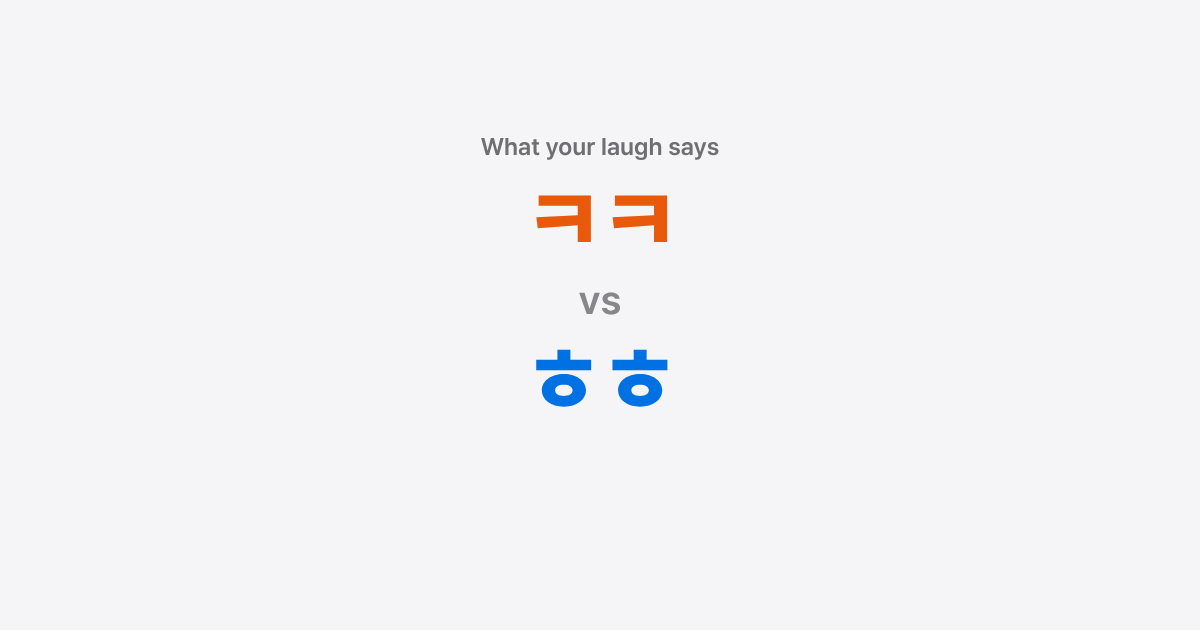
ㅋㅋ and ㅎㅎ both mean laughter in Korean texts, but they don’t feel the same. ㅋㅋㅋ is a real laugh, one or two ㅎ is a friendly smile, and a single ㅋ can sound like teasing. The number of letters changes the meaning. Level: Beginner · TOPIK 1-2 If you text with Koreans, you will … Read more
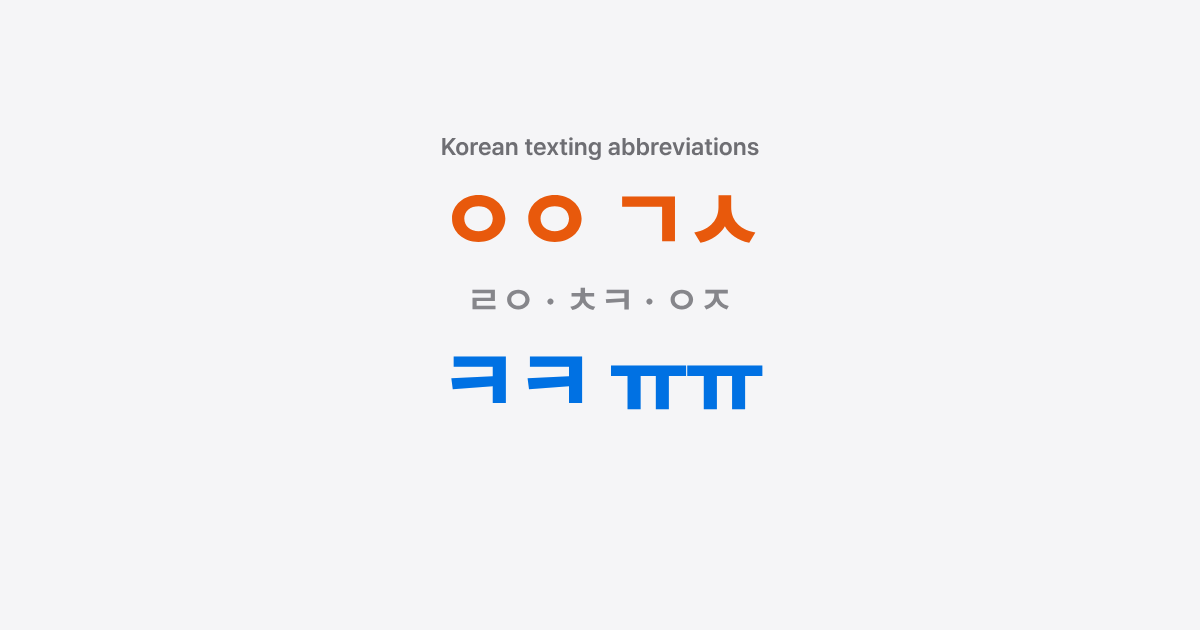
20 Korean Texting Abbreviations: ㅇㅇ, ㄱㅅ, ㄹㅇ and More

Most Korean texting abbreviations keep only the first consonant of each syllable: 감사 (thanks) becomes ㄱㅅ, and 축하 (congrats) becomes ㅊㅋ. Here are 20 that Koreans use every day, what they mean, and who you can send them to. Level: Beginner · TOPIK 1-2 Open any Korean group chat and you will see strings like … Read more

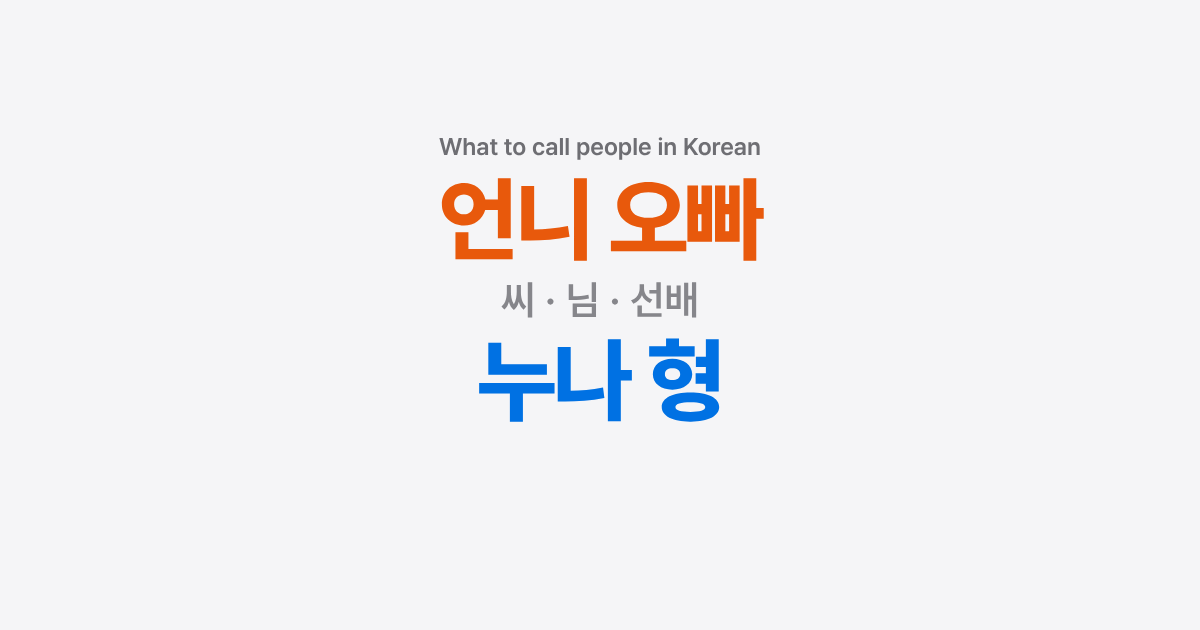
What to Call People in Korean: 씨, 님, 선배, 언니 and 오빠

Koreans rarely call people “you.” Instead, they use 씨 or 님 after a name, job titles, 선배 for seniors, and family words like 언니 and 오빠, even for friends. Which one you choose depends on age, gender, and how close you are. Level: Beginner · TOPIK 1-2 Getting this right is one of the fastest … Read more

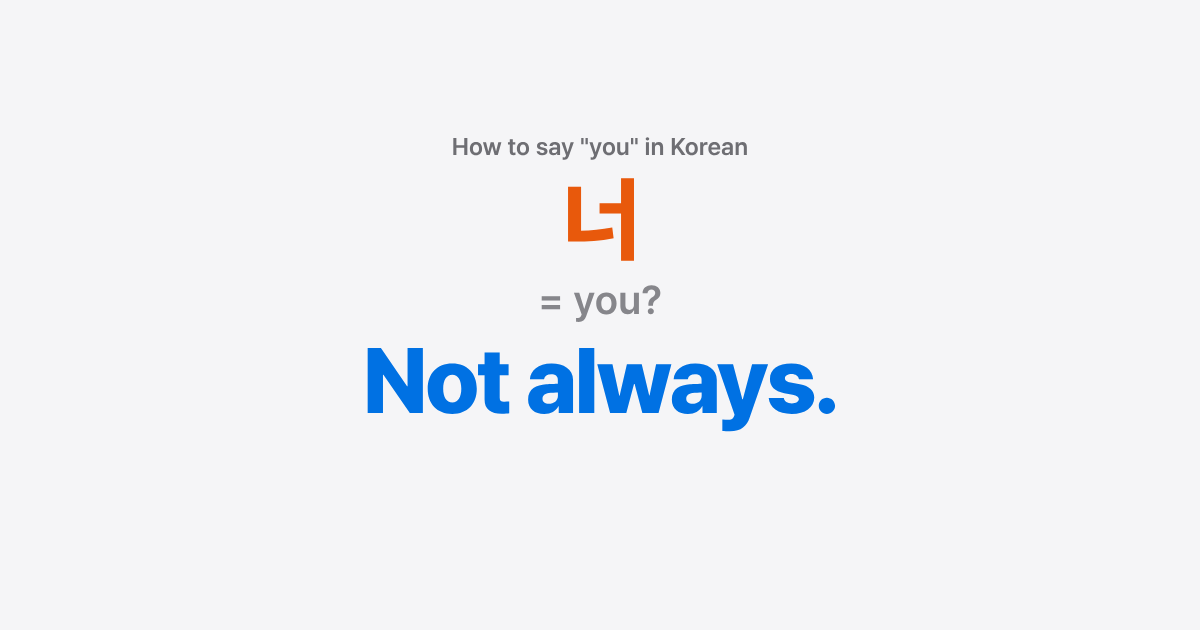
How to Say “You” in Korean: Why 너 Can Sound Rude

너 means “you,” but Koreans only say it to close friends who are the same age or younger. With anyone else, it sounds rude. Most of the time, Koreans don’t say “you” at all. They use the person’s name, a title, or nothing. Level: Beginner · TOPIK 1-2 In English, “you” works for everyone: your … Read more

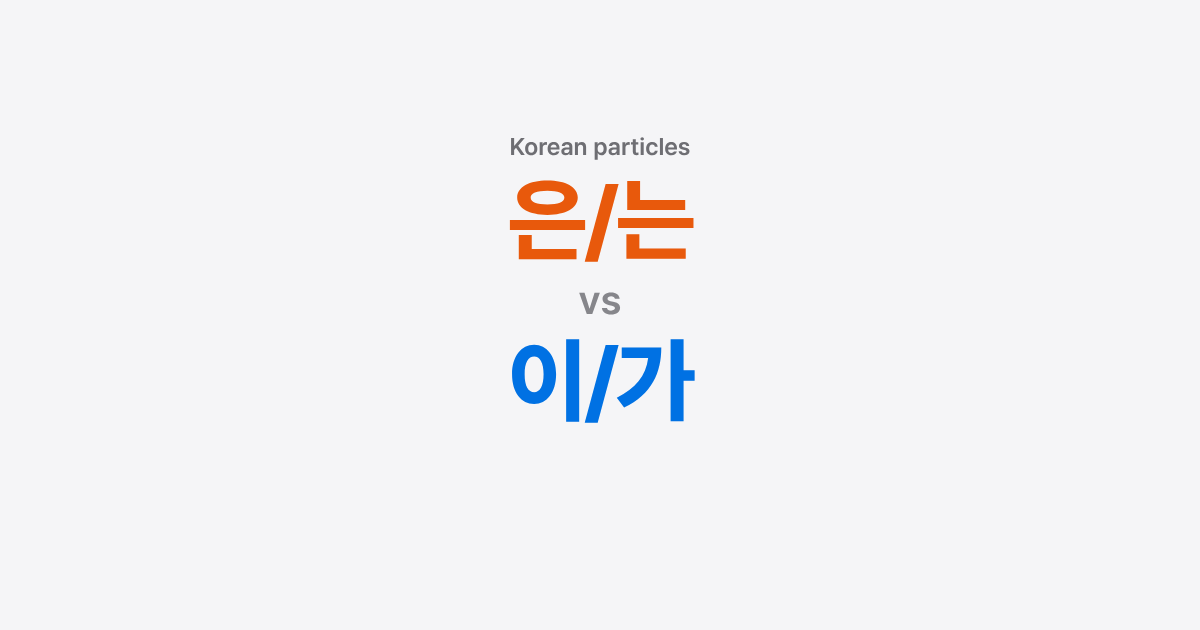
은/는 vs 이/가: The Difference Explained in 4 Simple Rules

은/는 marks the topic, the thing you are talking about. 이/가 marks the subject, and it points at exactly who or what. Textbooks stop there, which is why the two still feel the same. Four simple rules decide most sentences for you. Level: Beginner · TOPIK 1-2 Both particles come right after a noun, and … Read more

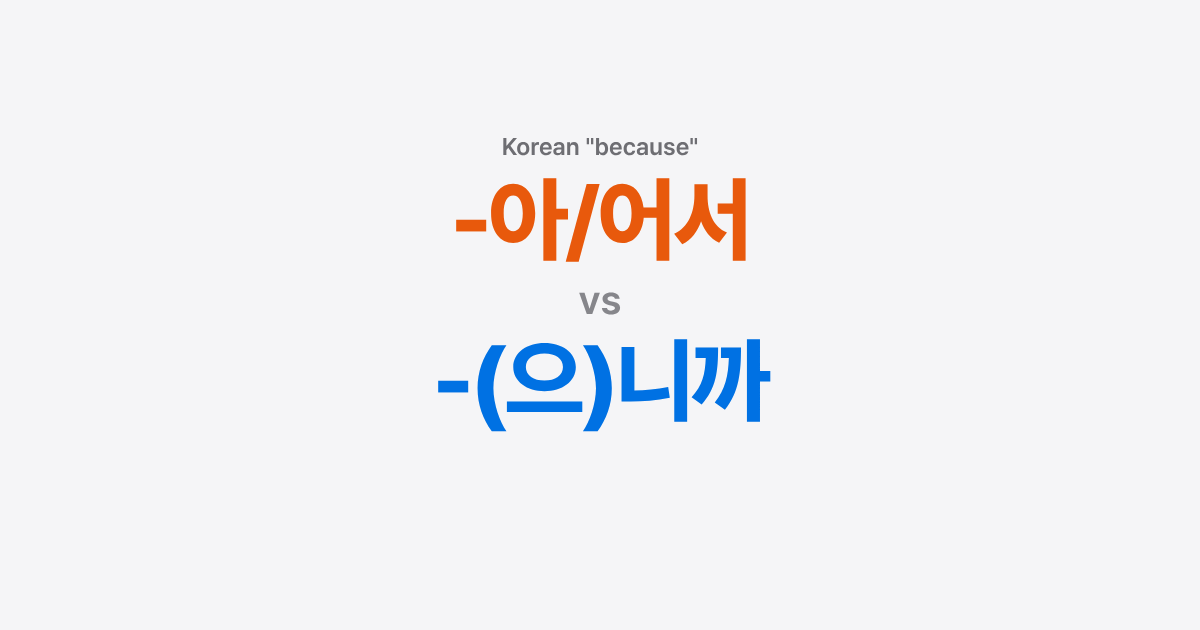
-아/어서 vs -(으)니까: How to Say “Because” in Korean (3 Easy Rules)

Korean has two common ways to say “because”: -아/어서 and -(으)니까. Most textbooks translate both as “because” or “so,” which makes them look the same. Level: Beginner · TOPIK 1-2 They are not the same. In some sentences only one of them is correct. In others, both are correct but sound different. This post covers … Read more